
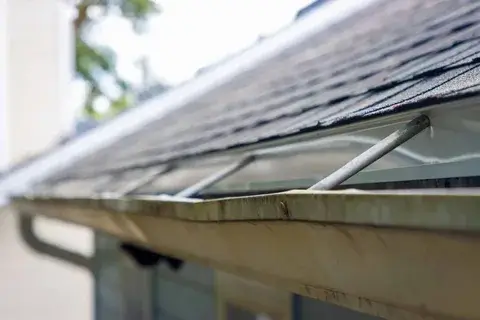
Gutters play an important role in protecting your home from rainwater damage. They collect water running off the roof and direct it away from the home’s siding, foundation, landscaping, and walkways. When gutters become damaged, clogged, or improperly positioned, water can overflow and cause problems that extend beyond the roofline.
Some gutter issues can be resolved with cleaning, resealing, or replacing a damaged section. Others, such as widespread corrosion, repeated leaks, or extensive sagging, may indicate that a full replacement is the better long-term option.
Recognizing the warning signs early can help you prevent costly water damage and keep your drainage system working properly. Lionheart Roofing Contractors helps property owners identify roofing and gutter concerns and determine which repairs may be needed to protect their homes.
1. Water Overflowing During Rain
One of the clearest signs of a gutter problem is water spilling over the edges during rainfall. Instead of flowing through the downspouts, rainwater pours over the sides and falls close to the home’s exterior.
Overflowing gutters can result from several issues, including:
- Leaves, twigs, and other debris blocking the channel.
- Downspouts clogged with dirt or roof debris.
- Gutters that are too small for the roof’s drainage needs.
- Incorrect gutter slope that prevents water from reaching the outlet.
- Sections that have become bent, damaged, or disconnected.
Start by considering whether debris may be blocking the system. If cleaning does not resolve the overflow, the gutters may need repairs or adjustments.
Persistent overflow can allow water to collect near the foundation, stain exterior walls, damage landscaping, and contribute to basement or crawl-space moisture problems. Addressing the cause helps restore proper drainage and reduce the risk of further damage.
2. Gutters That Sag or Pull Away From the Roof
Gutters should remain securely attached to the fascia board along the roofline. If sections begin sagging, bending, or pulling away from the house, the system may no longer drain water correctly.
Sagging can develop when fasteners loosen, brackets fail, debris becomes too heavy, or standing water accumulates inside the gutter. Deteriorated fascia boards may also prevent the fasteners from holding securely.
Look for uneven sections, visible gaps between the gutter and roofline, or areas that dip noticeably in the middle.
Minor problems may be corrected by replacing fasteners or brackets and restoring the proper slope. However, if the gutter material is badly deformed or the fascia behind it has deteriorated, more extensive repairs may be necessary.
Do not attempt to reposition gutters from a ladder if they are loose or unstable. A professional can inspect the attachment points and determine whether repair or replacement is appropriate.
3. Leaks at Seams and Joints
Many gutter systems have joints where separate sections connect. These areas may develop leaks when sealant deteriorates, fasteners loosen, or the material expands and contracts over time.
You may notice water dripping from a joint during rain, dark streaks beneath the connection, or staining on the fascia and siding.
A small leak at a sound joint may be repaired by cleaning the area and applying a compatible gutter sealant. Damaged connectors or fasteners may also need replacement.
However, if leaks occur at several locations or the gutter material has become brittle or corroded, repeated patching may not be the most effective solution.
Timely repairs help keep rainwater inside the drainage channel and reduce the chance of moisture reaching vulnerable parts of the home.
4. Rust, Holes, or Cracks in the Gutter Material
Visible corrosion, cracks, and holes can indicate that gutters are deteriorating. Metal gutters may rust when their protective finish wears away, while some other materials can crack or become brittle with age and exposure.
Inspect accessible sections for orange or brown corrosion, peeling finishes, small holes, or splits along the bottom and sides. Pay particular attention to joints and areas where water tends to remain.
The right solution depends on the severity of the damage. A small, isolated defect may be repairable, but extensive corrosion or multiple cracks can make replacement more practical.
If the gutters have several damaged sections, compare the likely cost and reliability of continued repairs with installing a new system. Replacing severely deteriorated gutters can help reduce recurring leaks and maintenance needs.
5. Water Pooling Around Your Foundation
Gutters are designed to move roof runoff away from the home. When they leak, overflow, or discharge water too close to the foundation, rainwater may collect around the base of the building.
Warning signs can include:
- Puddles near the foundation after rainfall.
- Soil erosion beneath the roofline.
- Washed-out mulch or damaged garden beds.
- Persistent dampness around basement walls.
- Water entering a basement or crawl space.
These symptoms do not always mean the gutters are responsible. Poor grading, blocked underground drains, plumbing leaks, and other drainage problems can produce similar conditions.
Check whether downspouts are connected properly and discharge water at an appropriate distance from the foundation, following local drainage requirements. If pooling continues, investigate the broader drainage system instead of assuming that gutter replacement alone will solve the problem.
Correcting drainage issues early can help protect the foundation and reduce the risk of recurring moisture problems.
6. Peeling Paint or Rotting Fascia Boards
The fascia board is the material along the roof edge where many gutter systems are attached. When water repeatedly escapes behind the gutters, it can damage the paint and contribute to wood deterioration.
Look for peeling paint, dark discoloration, soft or crumbling wood, and visible gaps along the roofline. These signs may indicate that water is reaching the fascia rather than flowing through the gutter system.
A leaking gutter may need resealing or adjustment, but repairing the drainage system is only part of the solution if the fascia has already deteriorated.
The affected wood may need repair or replacement before the gutters can be securely reattached. If the damage is widespread, a more comprehensive inspection of the roof edge is advisable.
Addressing the source of the moisture helps reduce the chance of further deterioration after the visible damage has been repaired.
7. Gutters Separating at Corners or Downspouts
Gutter corners and downspout connections direct water through important points in the drainage system. When these connections loosen, separate, or become damaged, water may escape before reaching the ground.
You might notice water pouring from a corner joint, a downspout hanging away from the gutter, or a section that shifts during strong winds.
Loose connections may be repairable if the surrounding material remains in good condition. Damaged brackets, connectors, and fasteners may need to be replaced.
If the gutter itself is distorted or the attachment surface is deteriorated, simply reconnecting the parts may not provide a lasting fix. A professional inspection can help determine whether the problem is limited to the connection or reflects broader system damage.
8. Gutters That Keep Clogging
Some debris accumulation is normal, particularly in areas with trees near the home. However, gutters that repeatedly clog soon after cleaning may need closer attention.
Leaves, seeds, pine needles, roof granules, and small branches can restrict water flow. Poorly positioned downspouts or inadequate drainage capacity can also contribute to recurring blockages.
Start by arranging appropriate cleaning and checking whether water can flow freely through the downspouts. If clogs continue, consider whether gutter guards, adjustments, or a different gutter design could help.
Gutter guards can reduce certain types of debris entering the system, but they do not eliminate maintenance. Fine debris can still accumulate, and guards must be compatible with the gutter design and surrounding trees.
If the system is damaged or poorly sized, cleaning alone will not correct the underlying issue.
9. Gutters Are Old and Require Frequent Repairs
Gutters experience ongoing exposure to rain, sunlight, temperature changes, wind, and debris. Their service life depends on the material, installation quality, local conditions, and maintenance history.
As gutters age, you may notice more frequent leaks, recurring separation at joints, corrosion, or sections that no longer maintain their shape.
An older system does not automatically need replacement. If the material remains sound and the problems are limited, repairs may still be worthwhile.
However, when multiple sections fail or maintenance costs continue to increase, replacing the system may offer better long-term value. A professional can assess the existing gutters and explain whether targeted repairs or replacement is more suitable.
Gutter Repair vs. Replacement: Which Is Better?
The decision depends on the extent of the damage, the condition of the existing materials, and the performance of the overall drainage system.
Gutter repair may be suitable when:
- A single joint has developed a leak.
- A bracket or fastener has come loose.
- One section has minor damage.
- A blockage is causing overflow.
- The gutter material is otherwise in good condition.
Gutter replacement may be more practical when:
- Rust or cracking affects multiple sections.
- Gutters repeatedly separate or sag.
- Leaks continue despite previous repairs.
- The material has become brittle or badly deformed.
- The system cannot handle the property’s drainage needs.
- Fascia damage or installation problems affect several areas.
Before replacing the system, make sure the cause of the problem has been identified. A new gutter may still overflow if the roof drainage requirements, gutter slope, downspout capacity, or surrounding grading are not addressed.
How to Keep Your Gutters in Good Condition
Routine maintenance helps reduce blockages and identify damage before it becomes more serious.
- Clean gutters regularly. Remove leaves and debris before they restrict water flow. Homes surrounded by trees may need more frequent cleaning.
- Check downspouts. Make sure water can flow freely and discharge away from the foundation.
- Inspect after major storms. Look for loose sections, fallen branches, damaged connections, and signs of overflow from a safe location.
- Watch for leaks and stains. Water marks beneath joints or along the fascia may indicate a developing problem.
- Keep drainage paths clear. Ensure that discharged water can flow away without collecting near the building.
- Arrange professional inspections when needed. Loose gutters, damaged fascia, and hard-to-reach sections should be assessed by a qualified professional.
Avoid climbing ladders or working near overhead electrical lines if conditions are unsafe. Professional assistance is the safer choice for damaged or difficult-to-access gutter systems.
Why Choose Lionheart Roofing Contractors?
Gutter problems can affect more than the drainage channel itself. Overflow and leaks may damage fascia boards, siding, landscaping, and areas around the foundation. A proper assessment should examine the gutters, their attachments, downspouts, and the surrounding roof edge.
Lionheart Roofing Contractors helps property owners evaluate roofing and related exterior concerns so they can understand the condition of their systems and determine suitable next steps.
When arranging a gutter inspection, explain where you have noticed leaks, overflow, sagging, or water pooling. Ask whether the issue can be repaired locally or whether the existing system has reached the point where replacement should be considered.
Conclusion
Damaged gutters can allow rainwater to reach parts of your home that are not designed to handle repeated exposure. Overflow, sagging sections, leaking joints, rust, foundation pooling, and deteriorating fascia are all signs that your drainage system may need attention.
Some problems can be resolved through cleaning, resealing, or replacing individual components. Widespread deterioration or recurring failures may make full replacement a more practical choice.
By identifying gutter problems early and maintaining proper drainage, you can help protect your home’s exterior and foundation from avoidable water damage. If your gutters show signs of damage, contact Lionheart Roofing Contractors to discuss an inspection and determine the most appropriate solution for your property.