
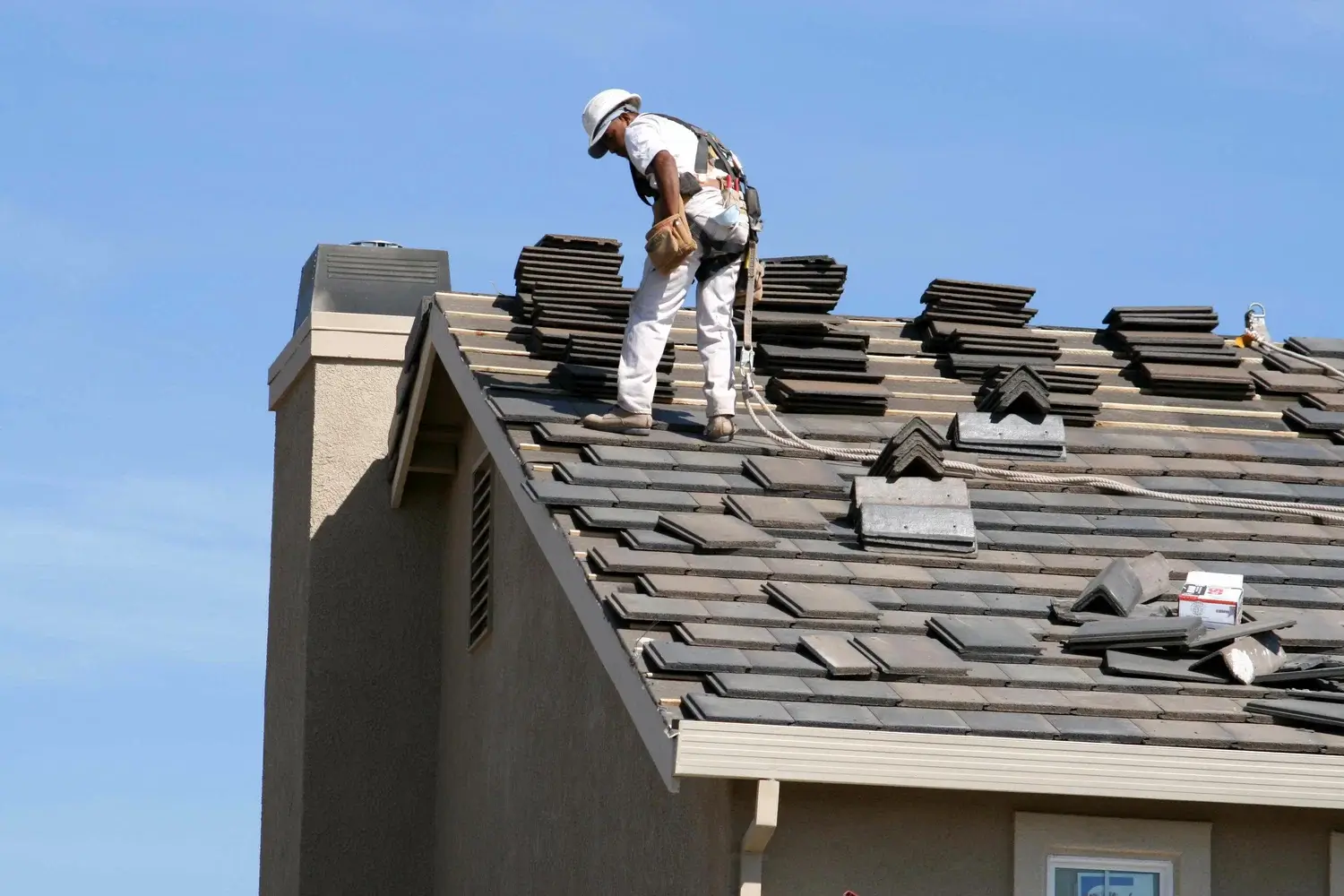
When a roof begins showing signs of age or damage, homeowners often have to decide whether reroofing is enough or if a complete roof replacement is necessary. While both options can improve the condition of a roofing system, they are not the same process and are appropriate for different situations.
Understanding the differences between reroofing and roof replacement can help you make a more informed decision based on your roof’s condition, existing materials, budget, and long-term plans for the property.
What Is Reroofing?
Reroofing involves installing a new layer of roofing material over an existing layer rather than completely removing the old roof. This approach can sometimes provide an efficient way to improve the appearance and performance of a roof when the existing roofing system is still in suitable condition.
Reroofing is most commonly associated with asphalt shingles and is not appropriate for every roofing system. The condition of the existing roof must be evaluated before determining whether another layer can be installed.
A professional inspection is important because reroofing over a roof with significant underlying damage may only hide the problem rather than resolve it.
What Is a Full Roof Replacement?
A full roof replacement involves removing the existing roofing materials and installing a new roofing system. This provides an opportunity to inspect the roof deck and address underlying problems before the new materials are installed.
During a replacement, a roofing contractor can identify issues involving:
- Damaged or deteriorated decking
- Moisture intrusion
- Worn flashing
- Poor ventilation
- Structural concerns
- Previous installation problems
Because the existing roof is removed, contractors have better access to the components underneath the visible roofing materials.
Reroofing vs Roof Replacement: Key Differences
The biggest difference is what happens to the existing roofing system. With reroofing, a new layer is installed over the existing materials when conditions allow. With replacement, the existing roofing materials are removed before the new system is installed.
Other differences can include project duration, cost, material options, and the ability to address hidden damage.
Reroofing may be appropriate when the existing roof is relatively sound, while replacement is generally better suited to roofs with extensive deterioration or multiple layers of existing roofing.
When Reroofing May Be a Good Option
Reroofing may make sense when the existing roofing system meets the necessary conditions for another layer of material.
Potential advantages include:
- Less material removal
- A potentially shorter installation process
- Reduced disposal requirements
- Improved exterior appearance
- Lower upfront cost in some situations
However, reroofing is not simply a cheaper version of roof replacement. It has limitations, and not every property is a suitable candidate.
A professional roofer should evaluate the existing roof before recommending this approach.
When Full Roof Replacement Is the Better Choice
A complete replacement may be necessary when the existing roof has reached the end of its service life or has substantial damage.
Signs that replacement may be more appropriate include widespread shingle deterioration, repeated leaks, extensive water damage, sagging areas, damaged decking, or previous roofing layers that prevent proper installation of another layer.
Replacement may also be preferable when homeowners want to change roofing materials or address ventilation and other underlying concerns.
Consider the Age of Your Roof
Roof age is an important factor when comparing reroofing and replacement. Older roofing systems may have extensive wear even when damage is not immediately visible.
If a roof is already near the end of its expected service life, adding another layer may not provide the long-term value that a complete replacement can offer.
A professional inspection can help determine whether the existing materials still have enough serviceable life to make reroofing practical.
Think About Long-Term Costs
The lowest initial price is not always the lowest overall cost. Reroofing can reduce certain expenses because the existing roofing materials remain in place, but it may not address problems underneath the roof.
If hidden damage later leads to leaks or deterioration, additional repairs could become necessary.
A complete replacement generally involves a larger initial investment, but it provides an opportunity to rebuild the roofing system from the roof deck upward and address underlying issues at the same time.
The Existing Roofing Material Matters
Not all roofs can simply receive another layer of roofing materials. The existing roofing material, number of layers, roof slope, local requirements, and condition of the underlying structure can all affect whether reroofing is possible.
For example, some roofing systems have specific installation requirements that make overlaying unsuitable.
A roofing professional can determine whether the existing system is compatible with reroofing or whether removal and replacement would be more appropriate.
Don’t Overlook Hidden Roof Damage
One limitation of reroofing is that the existing roofing materials remain in place. This means certain problems underneath may not be fully visible or accessible.
A full replacement allows the contractor to remove the old roofing and inspect the roof deck directly.
This can be particularly important when there is a history of leaks, moisture damage, poor ventilation, or previous roofing problems.
Which Option Is Right for Your Property?
There is no single answer that applies to every roof. The right choice depends on the current condition of the roofing system and the goals of the property owner.
Reroofing may be worth considering when the existing roof is structurally sound and meets the requirements for another layer. Full replacement is generally more appropriate when the roof has extensive damage, significant deterioration, or underlying problems that need to be addressed.
A professional roofing inspection is the best way to determine which option makes sense for your property.
Why Choose Lionheart Roofing?
Lionheart Roofing helps homeowners evaluate their roofing systems and understand their available options. Rather than recommending the same approach for every property, a professional assessment can identify the condition of the existing roof and determine whether reroofing or replacement is appropriate.
From roof inspections and repairs to complete replacement projects, professional roofing services can help homeowners protect their property and make informed decisions about their investment.
Make an Informed Roofing Decision
Choosing between reroofing and full roof replacement requires more than comparing upfront prices. The condition of the existing roofing system, age, materials, hidden damage, and long-term goals should all be considered.
If you’re unsure whether your roof needs another layer or a complete replacement, having it professionally inspected can provide the information needed to choose the appropriate option. Addressing roofing concerns early can also help prevent minor problems from becoming more expensive property damage.