
Introduction
Roofing is one of the most critical components of any structure, protecting it from weather, improving energy efficiency, and contributing to overall value. While both residential and commercial roofing serve the same basic purpose, they differ significantly in design, materials, installation, and maintenance.
Understanding these differences helps property owners choose the right system for their needs and budget.
What Is Residential Roofing?
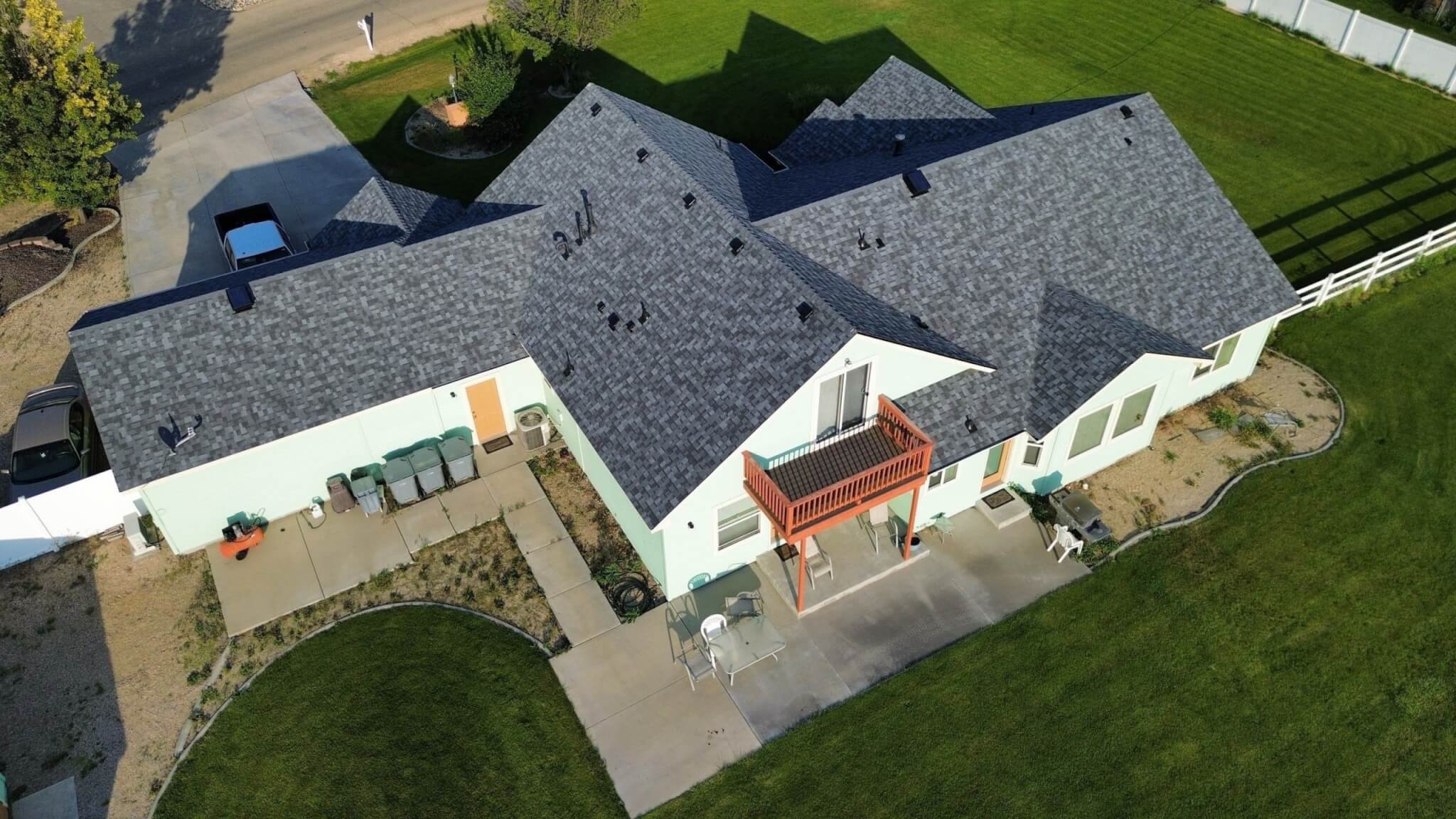
Residential roofing refers to roofing systems designed for homes and small living spaces such as single-family houses, townhomes, and duplexes.
Key Characteristics:
- Typically steep-sloped
- Designed for aesthetic appeal as well as protection
- Uses materials that complement home architecture
- Easier and faster to install compared to commercial systems
Common Residential Roofing Materials:
- Asphalt shingles (most popular and affordable)
- Metal roofing
- Clay or concrete tiles
- Wood shakes or shingles
- Slate roofing (high-end option)
Benefits:
- Wide variety of styles and colors
- Cost-effective options available
- Easier repairs and replacements
- Enhances curb appeal and home value
What Is Commercial Roofing?
Commercial roofing is used for businesses, warehouses, industrial buildings, and large facilities. These roofs are typically designed for performance, durability, and efficiency rather than appearance.
Key Characteristics:
- Usually flat or low-sloped
- Larger surface areas
- Built to support heavy equipment (HVAC units, solar panels, etc.)
- Requires specialized installation techniques
Common Commercial Roofing Materials:
- TPO (Thermoplastic Polyolefin)
- EPDM (rubber roofing)
- PVC roofing membranes
- Modified bitumen
- Built-up roofing (BUR)
Benefits:
- Highly durable and weather-resistant
- Energy-efficient options available
- Designed for long-term performance
- Can accommodate rooftop systems and equipment
Key Differences Between Residential and Commercial Roofing
| Feature | Residential Roofing | Commercial Roofing |
|---|---|---|
| Roof Design | Steep slope | Flat or low slope |
| Materials | Shingles, tiles, metal | Membranes, rubber, bitumen |
| Installation | Simpler, quicker | Complex, requires specialists |
| Maintenance | Easier, less frequent | Regular inspections needed |
| Cost | Generally lower | Higher due to size and materials |
| Focus | Appearance + function | Performance + durability |
Installation Process Overview
Residential Roofing:
- Remove old roofing (if necessary)
- Install underlayment
- Apply shingles or chosen material
- Add flashing and ventilation
- Final inspection
Commercial Roofing:
- Structural inspection and preparation
- Insulation installation
- Membrane application (TPO, EPDM, etc.)
- Sealing seams and edges
- Drainage system setup
- Final quality checks
Maintenance Considerations
Residential Roof Maintenance:
- Inspect after storms
- Replace damaged shingles
- Clean gutters regularly
- Check flashing and vents
Commercial Roof Maintenance:
- Schedule routine professional inspections
- Monitor drainage systems
- Repair membrane punctures or seams
- Maintain rooftop equipment areas
Choosing the Right Roofing System
Consider Residential Roofing If:
- You own a home or small property
- Appearance is important
- You want cost-effective options
Consider Commercial Roofing If:
- You manage a large or industrial building
- You need durability and load-bearing capacity
- Energy efficiency and long-term performance are priorities
Conclusion
Residential and commercial roofing systems are designed with different goals in mind. Residential roofing focuses on style, comfort, and affordability, while commercial roofing emphasizes durability, efficiency, and large-scale performance.
Choosing the right type ensures not only protection from the elements but also long-term value and functionality for your property.