
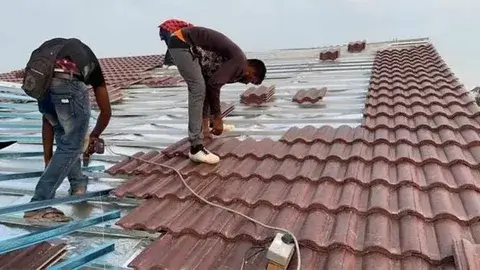
A roofing system does more than protect a property from rain and wind. The materials, ventilation, insulation, and installation details can all influence how well a building handles weather and manages indoor temperatures. For homeowners looking to improve their property, the right roofing upgrades can provide better durability while also supporting energy efficiency.
Some improvements can be incorporated during roof replacement, while others may be appropriate as part of ongoing maintenance. Understanding the available options can help property owners make informed decisions about their roofing systems.
Choose Roofing Materials Designed for Long-Term Performance
One of the most important roofing upgrades is selecting materials that are appropriate for the property and local weather conditions. Roofing materials vary in their resistance to wind, moisture, impact, heat, and everyday wear.
Options such as architectural shingles, metal roofing, and other specialized systems can provide different performance characteristics.
The right choice depends on factors such as roof design, climate, budget, maintenance expectations, and the desired appearance of the property.
Upgrade Roof Underlayment
Underlayment is installed beneath the primary roofing materials and provides an additional layer of protection against moisture. Upgrading to a high-quality underlayment can help improve the overall weather resistance of the roofing assembly.
Underlayment becomes particularly important around vulnerable areas where water may collect or travel beneath the exterior roofing materials.
When replacing a roof, homeowners can discuss available underlayment options with their roofing contractor and determine which product is appropriate for the selected roofing system.
Improve Attic and Roof Ventilation
Proper ventilation can contribute to the long-term performance of a roofing system. Without adequate airflow, heat and moisture can accumulate in the attic, potentially affecting roofing materials and other components.
A properly designed ventilation system allows air to move through the attic while helping manage excess heat and moisture.
Roof ventilation may involve intake vents, exhaust vents, ridge vents, soffit vents, or other components depending on the design of the property.
Add or Improve Attic Insulation
Although insulation is not technically a roofing material, it plays an important role in how efficiently a home manages indoor temperatures.
Adequate attic insulation can reduce unwanted heat transfer between the living space and attic. When combined with proper ventilation, it can support more consistent indoor temperatures and reduce the workload on heating and cooling equipment.
If you are planning a roof replacement, it can be a good opportunity to evaluate the condition of the attic insulation as well.
Consider Reflective Roofing Materials
Roofing materials that reflect more solar energy can help reduce heat absorption, particularly during warmer months. This can be useful for properties that experience significant sun exposure.
The exact benefits depend on the roofing material, roof design, climate, insulation, ventilation, and other characteristics of the building.
A roofing professional can explain which material options are suitable for your property and whether a more reflective roofing system would be beneficial.
Upgrade Flashing Around Vulnerable Areas
Flashing helps direct water away from areas where the roof meets another structure or component. These locations can include chimneys, vents, skylights, walls, and roof valleys.
Damaged, deteriorated, or poorly installed flashing can increase the risk of water intrusion.
Upgrading flashing during a roof replacement can improve protection around these vulnerable areas and help reduce the likelihood of leaks.
Improve Roof Drainage
Effective drainage is essential for protecting a roofing system from standing water and excessive moisture exposure.
Gutters, downspouts, roof slopes, drainage paths, and other components all contribute to moving water away from the structure.
During roofing work, contractors can identify drainage concerns and recommend improvements where appropriate. Keeping gutters and drainage systems clear is also an important part of ongoing roof maintenance.
Install Impact-Resistant Roofing Materials
Properties in areas that experience severe storms may benefit from roofing materials designed to provide greater resistance to impact.
Impact-resistant materials can help reduce the likelihood of damage from certain types of weather events, although no roofing system is completely immune to severe weather.
Homeowners should discuss available options with a roofing professional and consider the property’s specific exposure to storms and other environmental conditions.
Strengthen Roof Installation Details
Even high-quality materials depend on proper installation. Fasteners, flashing, underlayment, ventilation, roof edges, and other details all contribute to the performance of the completed system.
An experienced roofing contractor can make sure materials are installed according to manufacturer requirements and appropriate roofing practices.
Attention to installation details can help reduce the risk of premature deterioration and moisture-related problems.
Upgrade Roof Edge Protection
Roof edges can experience significant exposure to wind and weather. Proper edge protection helps secure the roofing system and direct water toward the drainage system.
During a roof replacement, homeowners can ask their contractor to inspect roof edges and determine whether improvements are appropriate.
Small details throughout the roofing assembly can contribute to its overall durability.
Combine Roofing Improvements With Preventative Maintenance
Upgrades can improve a roofing system, but regular maintenance remains important. Even durable roofing materials require inspections and care over time.
Routine inspections can help identify developing problems with shingles, flashing, ventilation, drainage, and other components.
Cleaning gutters, removing debris, checking visible roofing materials, and addressing minor problems promptly can help preserve the performance of the upgraded system.
Balance Durability, Energy Efficiency, and Cost
Not every roofing upgrade is necessary for every property. The best approach is to prioritize improvements based on the building’s condition, climate, roofing system, and long-term goals.
Some upgrades may have a higher initial cost but provide benefits over many years. Others may be relatively simple improvements that address a specific weakness in the existing roofing system.
A professional roofing assessment can help homeowners determine which upgrades provide the most practical value.
Why Choose Lionheart Roofing?
Lionheart Roofing helps property owners evaluate their roofing systems and make informed decisions about repairs, replacements, and upgrades. A roofing project provides an opportunity to look beyond the visible surface and consider components such as ventilation, underlayment, flashing, drainage, and material performance.
With the right improvements and professional installation, homeowners can create a roofing system designed to provide better protection and support the property’s overall energy performance.
Upgrade Your Roof for Better Long-Term Performance
A durable and energy-efficient roofing system starts with the right combination of materials, installation practices, ventilation, insulation, drainage, and maintenance.
Whether you are planning a complete roof replacement or looking for ways to improve an existing system, professional guidance can help you identify practical upgrades for your property. Investing in the right roofing improvements today can help protect your home and support better performance for years to come.