
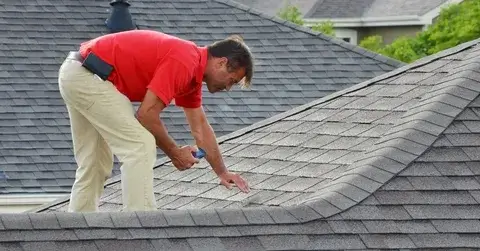
Your roof protects your home from rain, wind, sunlight, and changing weather conditions. When part of the roofing system begins to fail, small problems can quickly lead to water damage, damaged insulation, and expensive repairs. Recognizing the warning signs early helps you address issues before they affect other parts of your property.
Some roofing problems are easy to spot, such as missing shingles or water stains on the ceiling. Others develop beneath the surface and remain unnoticed until a leak or visible damage appears. Knowing what to look for can help you determine when it is time to schedule a professional roof inspection.
Lionheart Roofing Contractors helps property owners identify roofing concerns and find appropriate repair solutions to protect their homes and maintain the condition of their roofs.
1. Water Stains on Ceilings or Walls
Water stains are among the most common signs of a potential roofing problem. Yellowish or brown patches on ceilings and upper walls may indicate that moisture is entering the home through damaged roofing materials, flashing, or roof penetrations.
You might also notice peeling paint, bubbling drywall, or a musty smell near the affected area. These symptoms can become more noticeable after heavy rain.
Keep in mind that not every indoor water stain comes from the roof. Plumbing leaks, condensation, and other sources of moisture can produce similar signs.
If a stain appears or grows after rainfall, arrange an inspection to identify the source. Repairing the entry point early can help prevent further damage to ceilings, insulation, and interior finishes.
2. Missing, Cracked, or Curling Shingles
Asphalt shingles can deteriorate due to age, wind, repeated weather exposure, and improper installation. When shingles crack, curl at the edges, or go missing entirely, the layers beneath them may become exposed to moisture.
Look for these visible warning signs:
- Shingles that are missing from sections of the roof.
- Edges that curl upward or corners that lift.
- Cracked, split, or visibly damaged shingles.
- Uneven patches where roofing materials appear loose.
- Exposed areas where the underlying roof structure may be visible.
A few damaged shingles do not always mean the entire roof needs replacement. In many cases, targeted roof repair can address the affected area. The right solution depends on the extent of the damage, the roof’s age, and the condition of the surrounding materials.
Avoid climbing onto the roof to inspect these problems yourself. A ground-level view or photographs taken from a safe location can help you document what you see while leaving a closer assessment to a professional.
3. Roof Leaks After Heavy Rain
A roof leak should never be ignored, even if the water appears only during severe weather. Rain can enter through damaged shingles, worn flashing, failed seals, or openings around vents and chimneys.
Sometimes, water travels along roof decking, framing, or other surfaces before appearing inside the home. This means the location of a ceiling stain may not be directly beneath the actual leak.
If you notice dripping water, damp insulation, or fresh moisture inside the attic, arrange a professional assessment as soon as possible. Place a container beneath active drips if it is safe to do so, and move furniture or belongings away from the affected area.
If water reaches electrical fixtures or wiring, avoid the affected area and seek qualified assistance. For active leaks, temporary protection may be needed until permanent repairs can be completed.
Lionheart Roofing Contractors can help homeowners investigate roofing concerns and determine the appropriate repair approach.
4. Granules Collecting in Gutters
Asphalt shingles have a protective granular surface that helps shield them from weather exposure and sunlight. Over time, some granule loss is normal, particularly as shingles age. However, a large or increasing amount of granules in gutters and downspouts can indicate excessive wear.
Check for gritty deposits near downspout outlets or in gutters after rainfall. You may also notice areas of shingles that look unusually smooth, thin, or uneven.
Granule loss can reduce the protection provided by the shingles and may signal that the roofing material is approaching the end of its useful life.
An inspection can help determine whether the roof needs localized repairs or whether broader deterioration makes replacement worth considering.
5. Sagging Areas Along the Roofline
A roofline should generally appear straight and consistent. Visible dips, sagging sections, or areas that appear to sink may indicate a problem involving the roof decking, structural supports, prolonged moisture exposure, or other underlying components.
Sagging should be treated more seriously than ordinary surface wear because the cause may involve the roof’s structural integrity.
Do not walk on a visibly sagging roof or attempt to push or lift damaged materials into place. Arrange a professional evaluation promptly, and keep people away from any area that appears unstable.
The repair needed will depend on the cause. Replacing shingles alone will not solve a problem involving damaged decking or structural supports.
6. Damaged Flashing Around Roof Features
Flashing is used to direct water away from vulnerable areas where the roof meets walls, chimneys, skylights, vents, and other features. Because these transitions require careful installation, damaged or poorly sealed flashing can become a source of leaks.
Warning signs may include loose metal edges, visible gaps, deteriorated sealant, rust, or water stains near chimneys and skylights.
Flashing problems can sometimes cause leaks even when the surrounding shingles appear to be in good condition. That is why an inspection should examine the complete roofing system rather than only the main roof surface.
Professional roof repair can address damaged flashing, failed connections, and related openings before continued water entry affects the surrounding materials.
7. Mold, Mildew, or Musty Smells in the Attic
A musty smell in the attic or upper rooms may indicate excess moisture. If water enters through a damaged roof or ventilation is inadequate, damp conditions can develop around roof decking, insulation, and framing.
Look for visible discoloration, damp insulation, condensation on surfaces, or dark patches that may indicate mold growth. These signs do not automatically prove that the roof is leaking, since indoor humidity and ventilation problems can also contribute to moisture buildup.
The underlying cause should be identified before repairs are selected. If a roof leak is responsible, repairing the entry point is essential. Wet materials may also need to be dried, cleaned, or replaced as appropriate.
Addressing moisture problems early can help protect indoor air quality and reduce the risk of additional damage to the home’s structure.
8. Higher Energy Bills Without an Obvious Reason
An unexpected increase in heating or cooling costs may sometimes point to problems involving the roof and attic. Damaged insulation, inadequate ventilation, air leaks, or moisture-related deterioration can affect how well a home maintains its indoor temperature.
However, higher energy bills can also result from changes in weather, utility rates, HVAC performance, or household usage.
If your energy costs increase alongside uneven indoor temperatures or visible attic damage, consider having the roof, insulation, and ventilation system evaluated. Identifying the actual cause helps prevent spending money on roofing work that may not solve the problem.
9. Loose Roofing Materials or Storm Damage
Strong winds, hail, falling branches, and heavy storms can damage roofing materials without creating an immediate indoor leak. Shingles may loosen, metal components may become displaced, and gutters or roof edges may sustain damage.
After a storm, look for roofing debris in the yard, displaced materials, damaged gutters, or visible changes along the roofline.
Even when the roof looks mostly intact, hidden damage may allow water to enter during the next rainfall. A professional inspection can help identify affected areas and determine whether repairs are necessary.
If you suspect storm damage, document visible signs from a safe location and keep records of when the damage occurred. Avoid climbing onto a wet, unstable, or storm-damaged roof.
10. Your Roof Is Aging and Showing Repeated Problems
Roofing materials have different service lives depending on the material, installation quality, climate, ventilation, and maintenance history. As a roof ages, repairs may become more frequent, and previously isolated problems can begin appearing in multiple areas.
Warning signs include recurring leaks, widespread shingle deterioration, repeated flashing problems, and several areas requiring attention within a short period.
An older roof does not automatically need replacement. If the damage is limited and the surrounding materials remain in good condition, repairs may still be practical.
However, when deterioration is widespread or repair needs continue to grow, comparing the cost and expected performance of repair versus replacement can help you make a better long-term decision.
What Should You Do When You Notice Roof Damage?
Taking the right steps after spotting a warning sign can help limit additional damage.
- Document what you see. Take photographs from the ground or inside the home without entering unsafe areas.
- Check for interior moisture. Look for new ceiling stains, damp walls, or attic moisture when access is safe.
- Protect belongings. Move items away from leaks and use a container to collect dripping water when appropriate.
- Arrange a professional inspection. A roofing professional can examine the affected area and look for related problems.
- Address repairs promptly. Delaying necessary work can allow moisture to spread and increase the scope of the repair.
If the roof appears structurally unstable, avoid the affected area and seek urgent professional assistance.
Why Choose Lionheart Roofing Contractors for Roof Repairs?
Choosing a roofing professional who carefully assesses the damage can help you understand what needs attention and why. A proper evaluation should identify the source of the problem, examine the surrounding roofing materials, and distinguish between a localized repair and more extensive deterioration.
Lionheart Roofing offers roof repair and inspection services to help property owners address roofing concerns. The appropriate repair plan depends on the roof’s material, age, condition, and exposure to weather.
When discussing a repair, ask what caused the damage, which materials need attention, whether related areas were inspected, and what maintenance may help prevent similar problems. Clear communication helps you understand the recommended work and make an informed decision about your property.
Conclusion
Roof damage rarely improves by itself. Missing shingles, ceiling stains, damaged flashing, granule loss, and signs of moisture in the attic can all indicate that your roof needs attention. Recognizing these warning signs early can help limit further damage and avoid more extensive repairs.
Not every roofing issue requires a complete replacement, but every persistent leak or sign of deterioration deserves a proper assessment. By arranging timely inspections and addressing problems at their source, homeowners can help preserve their roofs and protect the rest of their property.
If you have noticed any of these warning signs, contact Lionheart Roofing Contractors to discuss a professional roof inspection and determine the next steps for your roof.